
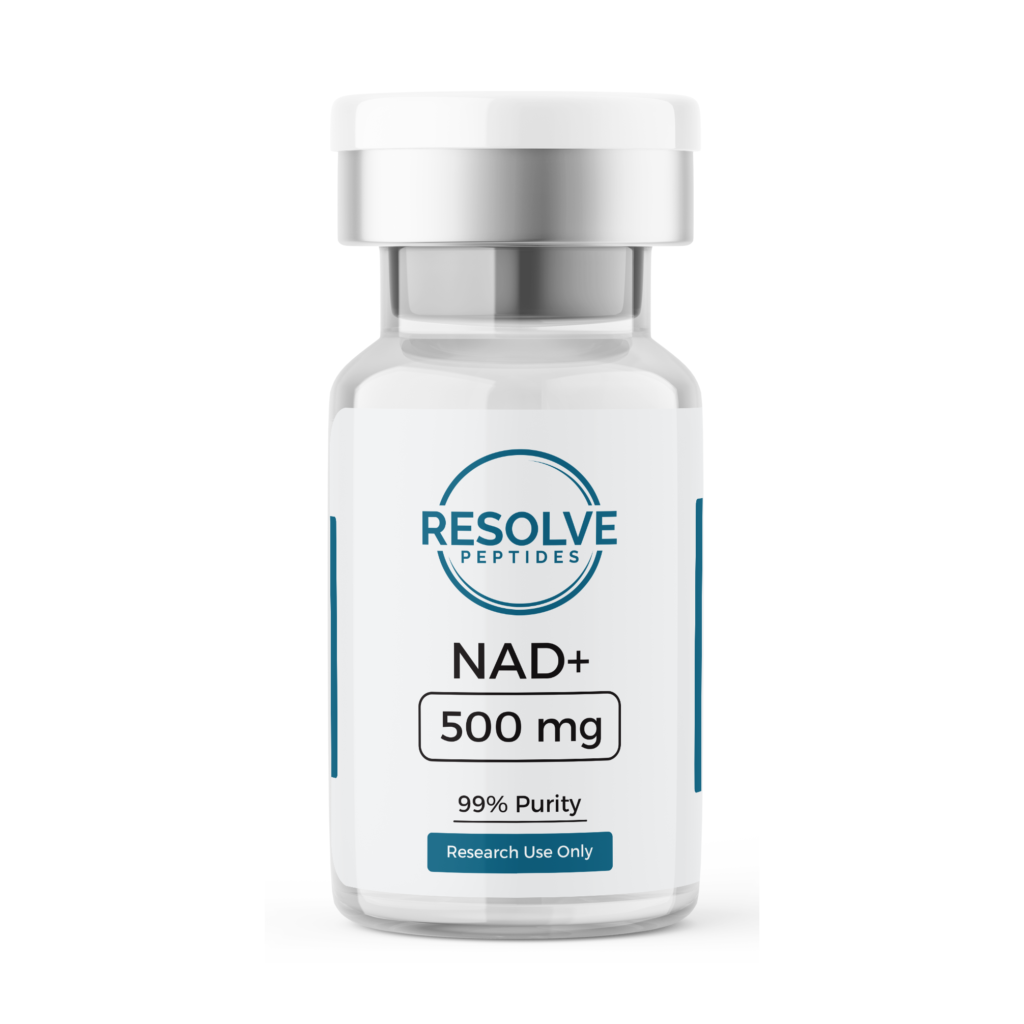
Description
Overview
Mechanism: NAD+ acts as a coenzyme for three main enzyme classes — sirtuins (SIRTs), poly ADP ribose polymerases (PARPs), and cyclic ADP ribose synthetases (cADPRS). These pathways regulate mitochondrial homeostasis, DNA repair, and immune signaling. Study Insights: NAD+-dependent enzymes may compete for availability, and imbalances can affect genome stability, metabolism, and stem cell function. Key Findings: Maintaining
NAD+ balance is critical for cellular energy, genomic integrity, and systemic homeostasis.
Chemical Makeup
Molecular Formula: C21H27N7O14P2 Molecular Weight: 663.43 g/mol Other Names:
Nicotinamide adenine dinucleotide
Productive Aging
Mechanism: NAD+ levels decline with age, impacting mitochondrial function, metabolism, and tissue health. Study Insights: Long-term NMN supplementation in mice (12 months) increased NAD+ synthesis, reduced weight gain, enhanced energy metabolism, and improved lipid profiles. Key Findings: Boosting NAD+ through intermediates like NMN or NR may support healthier aging phenotypes.
Neurodegenerative Activity
Mechanism: Mitochondrial dysfunction contributes to neurodegenerative decline through impaired electron transport and ATP production. Study Insights: Aged mice treated with NMN for 3–12 months showed restored mitochondrial oxygen consumption in neural tissues. Key Findings: NAD+ replenishment may enhance neuronal energy metabolism and support neuroprotection.
DNA Repair & Ischemic Stress
Mechanism: PARP enzymes depend on NAD+ to facilitate PARylation during DNA repair. DNA damage can deplete NAD+, impairing energy and repair systems. Study Insights: In neuronal cultures exposed to ischemic stress, NAD+ supplementation improved DNA base excision repair, cell viability, and oxidative DNA damage repair whether added before or after insult. Key Findings: NAD+ supports DNA integrity and cell survival during stress by fueling PARP-mediated repair pathways.
Liver & Kidney Function
Mechanism: NAD+ influences metabolic homeostasis and SIRT-mediated protective effects in liver and kidney tissues. Study Insights: Supplementation normalized NAD+ levels in mice, protecting against obesity and alcoholic hepatitis while improving glucose regulation. In kidneys, NAD+ boosted SIRT activity and protected against glucose- and cisplatin-induced injury. Key Findings: NAD+ repletion may support liver metabolism and kidney resilience under stress.
Skeletal Function
Mechanism: NAD+ is central to glycolysis and the citric acid cycle, enabling ATP production. Study Insights: Seven days of NMN administration in aged mice increased ATP production, reduced inflammation, and improved mitochondrial function. Key Findings: Restoring NAD+ enhances energy production and mitochondrial efficiency in skeletal tissue.
Cardiac Functions
Mechanism: NAD+ deficiency may reduce SIRT activity, impair energy production, and promote vascular dysfunction. Study Insights: Administering NMN 30 minutes before induced ischemia produced cardioprotective effects in mice. Key Findings: NAD+ plays a protective role in ischemic injury through energy and sirtuin pathways.
Disclaimer
All products offered by resolvepeptides.com are intended strictly for laboratory and scientific research purposes only. These products are not approved by the FDA, are not medicines or supplements, and are not sold for human consumption, medical treatment, or veterinary use. Any discussion of potential benefits is based solely on preclinical findings.
Reviews
There are no reviews yet.