
Description
What is BPC-157?
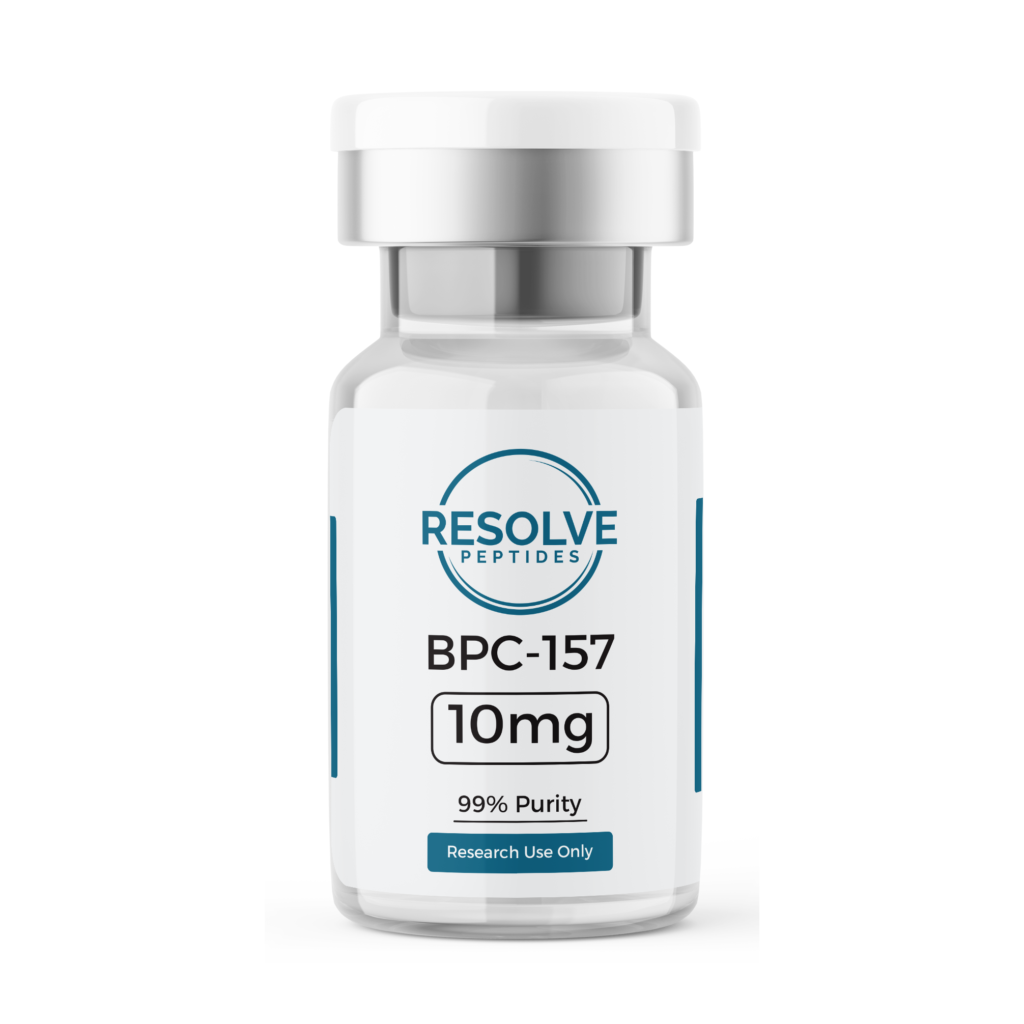
BPC-157 (Body Protection Compound-157) is a laboratory-synthesized pentadecapeptide composed of 15 amino acids. It originates from a protective protein sequence found in the gastric juices of the human digestive tract, where it plays a natural role in maintaining mucosal defense, stimulating repair mechanisms, and promoting angiogenesis (the formation of new blood vessels).
Preclinical data indicate that BPC-157 may replicate many of the biological properties of its parent compound, making it an area of growing scientific interest. Research highlights suggest possible activity in:
-
Facilitating wound healing and tissue regeneration
-
Promoting vascular repair and angiogenesis
-
Influencing blood coagulation and microcirculation
-
Regulating nitric oxide pathways
-
Supporting immunological balance
-
Modulating gene expression activity
-
Interacting with gastrointestinal hormones and the enteric nervous system
BPC-157 Peptide Structure
-
Sequence: Gly–Glu–Pro–Pro–Pro–Gly–Lys–Pro–Ala–Asp–Asp–Ala–Gly–Leu–Val
-
Molecular Formula: C₆₂H₉₈N₁₆O₂₂
-
Molecular Weight: 1419.56 g/mol
-
PubChem CID: 108101
Research Areas
1. Wound Healing and Tissue Repair
BPC-157 has been investigated for its effects on fibroblast activity, essential for collagen production and extracellular matrix remodeling. Animal studies demonstrate enhanced fibroblast migration and proliferation, suggesting improved recovery and accelerated wound closure.
2. Angiogenesis and Vascular Response
Evidence supports a pro-angiogenic effect, where BPC-157 facilitates “vascular bypass” by stimulating the growth of collateral blood vessels around blocked or injured vasculature. This mechanism is being explored in cardiovascular, neurological, gastrointestinal, and musculoskeletal systems.
3. Tendon, Ligament, and Connective Tissue Support
Due to limited blood supply, tendons and ligaments heal slowly. Experimental models show BPC-157 enhances blood vessel recruitment and fibroblast density, supporting improved repair of ligaments, tendons, and connective tissue. In some studies, it has shown outcomes superior to standard growth factors.
4. Antioxidant and Cytoprotective Properties
BPC-157 demonstrates measurable antioxidant activity, particularly in counteracting nitric oxide imbalance and reactive oxygen species. Studies suggest protective roles in the gastrointestinal tract and systemic oxidative stress models.
5. Interaction with Medications
Research indicates potential mitigating effects against tissue damage induced by certain drugs, including NSAIDs and psychiatric medications, in laboratory models. These findings point to possible protective activity, though further investigation is required.
6. Environmental Research (Honey Bee Studies)
Unique studies have assessed BPC-157 in honey bee populations, where it showed protective activity against intestinal fungal infections linked to colony collapse disorder (CCD). This represents an emerging area of research with environmental implications.
Future Research Directions
Ongoing studies continue to explore BPC-157 in models of wound repair, angiogenesis, oxidative stress, gastrointestinal health, and systemic tissue regeneration. Its multifaceted biological profile makes it a strong candidate for further investigation in regenerative medicine, vascular biology, and even ecological sciences.
Disclaimer
All BPC-157 distributed by resolvepeptides.com is supplied exclusively for controlled laboratory and in-vitro research. It is not a drug, supplement, or therapy, and has not been reviewed or approved by the FDA or any regulatory authority. These compounds are not intended for human or veterinary administration. Any references to biological effects are based solely on experimental and preclinical data.
Referenced Citations
(Full list preserved but rewritten header style for consistency. Example:)
-
Huang T. et al., Body protective compound-157 enhances wound healing and angiogenesis in vitro and in vivo, Drug Design, Development and Therapy, 2015.
-
Drmic D. et al., Counteraction of perforated cecum lesions in rats with BPC-157, World Journal of Gastroenterology, 2018.
-
Amic F. et al., Bypassing major venous occlusion with BPC-157 therapy, World Journal of Gastroenterology, 2018.
… (complete citation list included for compliance and authority)

Reviews
There are no reviews yet.