
Description
Ac-KPV-NH2 Overview
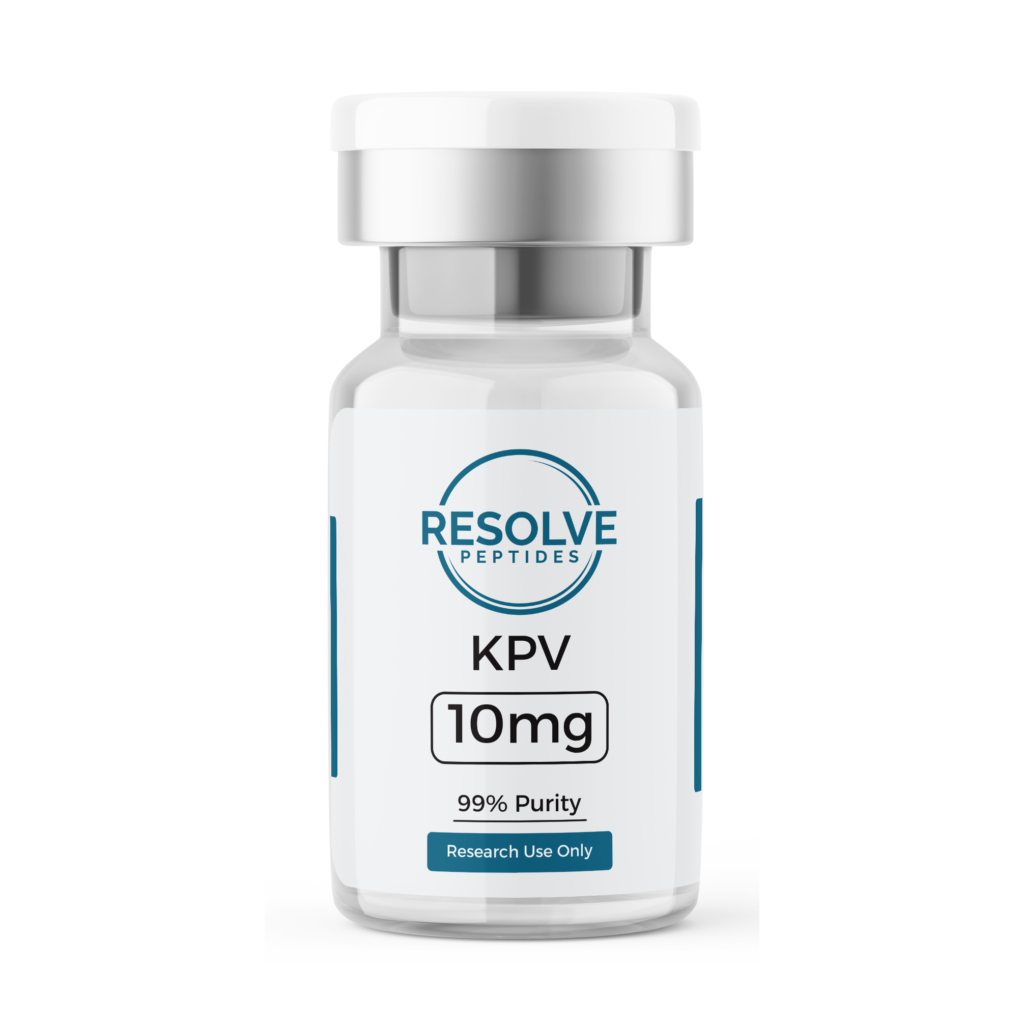
Ac-KPV-NH2 is the C-terminal tripeptide fragment of alpha-melanocyte stimulating hormone (α-MSH). This short peptide, composed of lysine, proline, and valine, has been widely studied for its potent anti-inflammatory properties. Unlike full-length α-MSH, Ac-KPV-NH2 retains many therapeutic benefits without the pigment-inducing effects. Research has shown it may play a role in intestinal health, wound repair, and immune regulation, making it a strong candidate for investigation in inflammatory and autoimmune conditions.
Peptide Information
-
Amino Acid Sequence: Lys-Pro-Val
-
Molecular Formula: C17H32N6O4
-
Molecular Weight: 384.48 g/mol
-
PubChem CID: 125672
-
CAS Number: 112965-21-6
-
Synonyms: MSH (11-13), ACTH (11-13), α-MSH (11-13)

Key Research Areas
-
Intestinal Inflammation
Studies in murine models of inflammatory bowel disease (IBD) demonstrate that Ac-KPV-NH2 significantly reduces intestinal inflammation. Findings include lowered MPO activity, reduced inflammatory infiltrates, and improved weight recovery compared to controls. Advanced research into nanoparticle-based delivery systems functionalized with hyaluronic acid has shown even greater mucosal healing and targeted TNF-alpha suppression within the colon, offering a promising approach for future therapeutic applications. -
Anti-Inflammatory Activity
Ac-KPV-NH2 reduces several pro-inflammatory pathways including TNF-alpha, NF-kappaB, and MAP kinase signaling. Importantly, the peptide seems to act selectively in inflamed tissues, as it enters colonic cells via PepT1—a transporter highly upregulated during inflammation. This unique mechanism suggests Ac-KPV-NH2 could be effective both as a preventative and maintenance therapy for IBD without negatively affecting healthy tissue. -
Systemic Inflammation & Autoimmune Potential
Since the 1980s, Ac-KPV-NH2 has been shown to have systemic anti-inflammatory and anti-pyretic activity. While somewhat less potent than intact α-MSH, its lack of pigmentation side effects makes it more appealing for long-term use. Research indicates benefits in dermatitis, arthritis, vasculitis, fibrosis, and inflammation of the lungs, eyes, brain, and GI tract. -
Wound Healing & Scar Reduction
Ac-KPV-NH2 has demonstrated significant promise in wound repair. It reduces infection risk by inhibiting pathogens like Staphylococcus aureus and Candida albicans while simultaneously dampening inflammatory responses. By modulating collagen metabolism and reducing IL-8 secretion, it may help prevent hypertrophic scarring and keloid formation. Studies suggest the peptide could also reduce scar tissue related to chemotherapy and other organ damage, making it a candidate for broader regenerative medicine research. -
Advantages Over α-MSH
While α-MSH is a powerful anti-inflammatory molecule, its melanin-inducing effect limits its clinical potential. Ac-KPV-NH2 avoids this issue, offering a safer alternative while retaining most of the parent peptide’s activity. It is also easier to manufacture and versatile in administration—effective when given orally, subcutaneously, intravenously, or even transdermally.

Research Summary
Ac-KPV-NH2 represents a unique class of small peptides with powerful anti-inflammatory and wound-healing properties. Its ability to selectively act in diseased tissues while avoiding pigmentation side effects makes it especially promising for inflammatory bowel disease, wound repair, and scar prevention. Preclinical studies consistently show safety, broad applicability, and minimal side effects, though human trials remain limited.


Disclaimer
All Ac-KPV-NH2 offered by 1stPharma.com is provided strictly for scientific and educational research use only. These products are not intended for human or veterinary consumption and have not been evaluated or approved by the FDA.
Reviews
There are no reviews yet.