
Description
What is GHK-Cu?
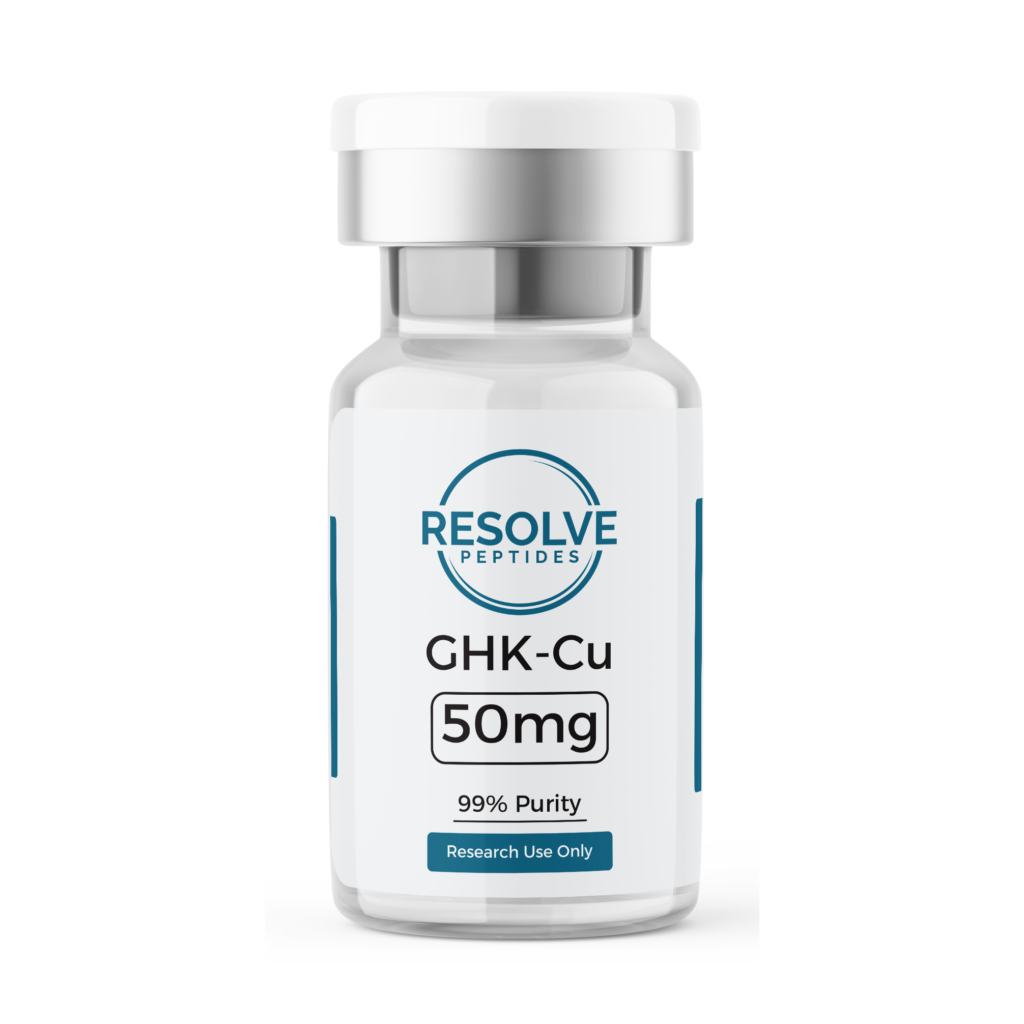
GHK-Cu is a naturally occurring copper-binding peptide first discovered in human plasma and later identified in urine and saliva. It has become a major focus in biomedical research because of its wide range of biological effects. Studies indicate that GHK-Cu supports wound repair, strengthens immune defenses, reduces oxidative stress, and improves overall skin quality by enhancing collagen production and fibroblast activity. Due to these properties, it is widely researched in regenerative medicine, dermatology, and anti-aging science.
GHK-Cu Peptide Structure


-
Sequence: Gly-His-Lys·Cu·xHAc
-
Molecular Formula: C14H23CuN6O4
-
Molecular Weight: 401.91 g/mol
-
PubChem CID: 73587
-
CAS Number: 89030-95-5
-
Synonyms: Copper tripeptide-1, Glycyl-L-histidyl-L-lysine copper
Research Areas
-
Skin Regeneration and Anti-Aging
GHK-Cu is a key regulator in skin repair, influencing collagen, elastin, and glycosaminoglycan production. It also stimulates fibroblast and immune cell recruitment, speeding up wound closure and improving skin elasticity and firmness. Research shows that it reduces damage from UV radiation, helps minimize pigmentation issues, and smooths fine lines and wrinkles. These regenerative actions are linked to its ability to activate growth factors like TGF-β and influence gene expression. -
Antimicrobial and Wound Healing
Research demonstrates that GHK-Cu possesses antimicrobial activity when combined with fatty acids, making it effective against bacteria and fungi that interfere with wound recovery. Clinical studies in diabetic patients show significantly higher wound closure rates and lower infection risks when GHK-Cu is included in treatment protocols. Its ability to promote new blood vessel formation makes it especially promising for burns, chronic ulcers, and ischemic wounds. -
Nervous System and Cognitive Support
GHK-Cu is naturally present in the brain but declines with age. Animal studies suggest it can enhance nerve outgrowth, improve circulation within neural tissues, and reduce neuroinflammation. Research indicates that GHK-Cu may help reset dysregulated gene expression and improve neuronal survival, potentially offering protective benefits in neurodegenerative conditions such as Alzheimer’s disease.

-
Chemotherapy and Lung Protection
Animal research has found that GHK-Cu can protect against lung fibrosis caused by chemotherapy drugs like bleomycin. By regulating inflammatory molecules such as TNF-alpha and IL-6, it helps prevent fibrotic remodeling and preserves healthy lung tissue. Similar protective effects have been observed in models of acute respiratory distress syndrome (ARDS), showing promise for its role in reducing treatment-related complications. -
Pain and Analgesic Potential
Studies in rodent models suggest that GHK-Cu has analgesic effects, partly due to its ability to increase levels of natural pain-relieving amino acids such as L-lysine and L-arginine. These findings point toward the potential of GHK-Cu in developing safer alternatives to opioid and NSAID-based pain treatments.
Disclaimer
GHK-Cu research shows significant potential in wound healing, skin regeneration, immune modulation, and neurological protection. However, all products from resolvepeptides.com are provided strictly for laboratory and scientific research purposes. They are not approved by the FDA for medical use, and human or veterinary administration is prohibited.
Reviews
There are no reviews yet.